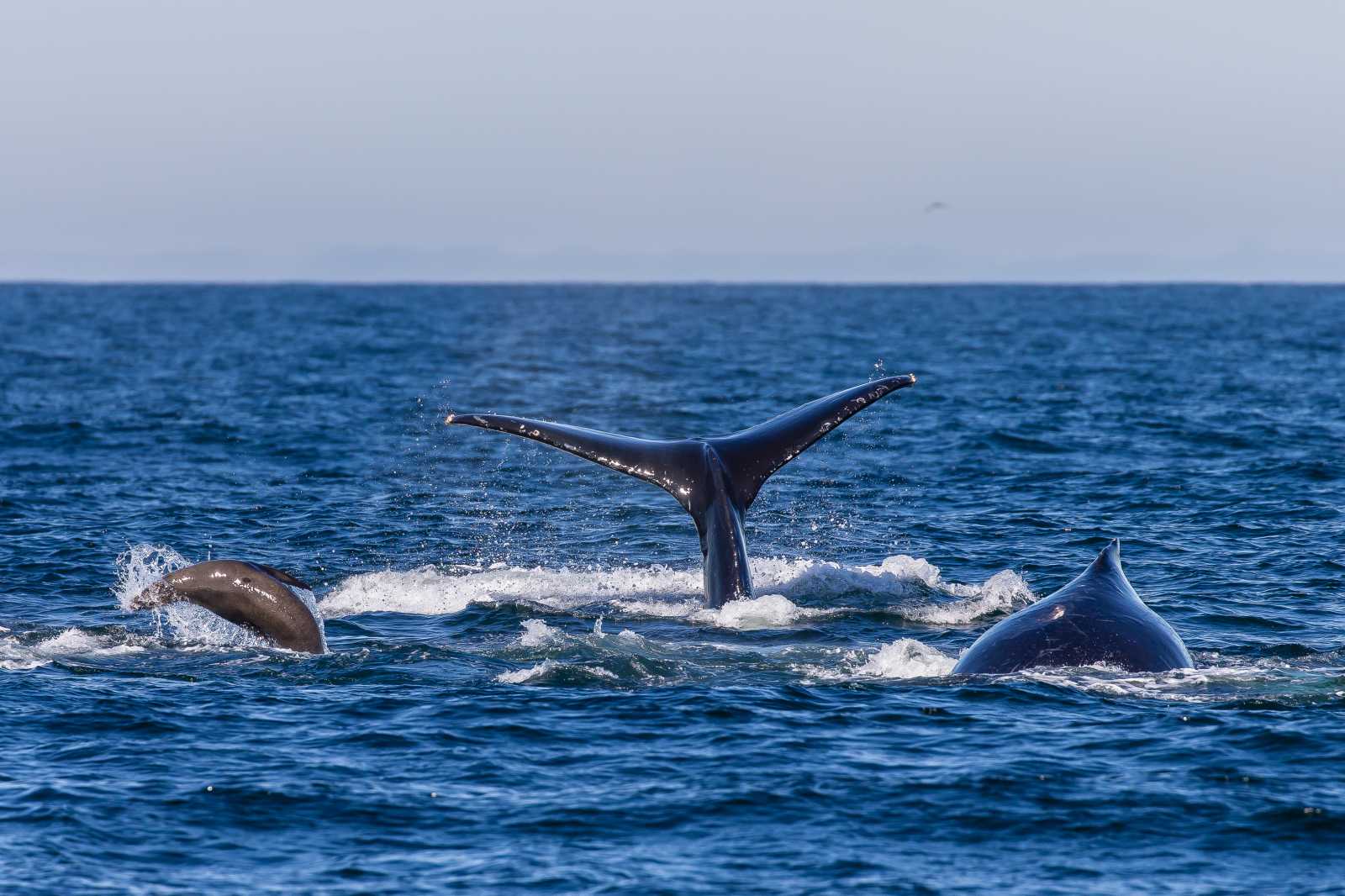
Marine Mammals Are Adapted to Life in the Ocean
Browse by Classification
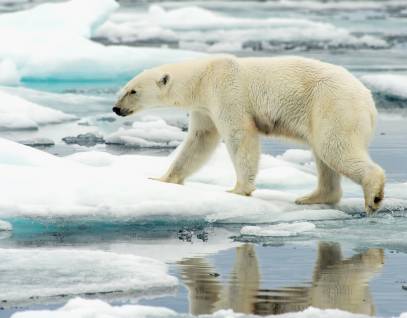
There are five groups of marine mammals: pinnipeds (or “flipper-footed” animals like seals, sea lions, fur seals and walruses), cetaceans (species that cannot survive on land, such as whales, dolphins and porpoises), sea otters (the smallest marine mammal), sirenians (warm water species such as dugongs and manatees) and polar bears (which depend on the ocean for a majority of their food).
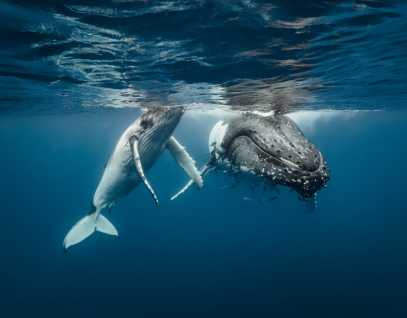
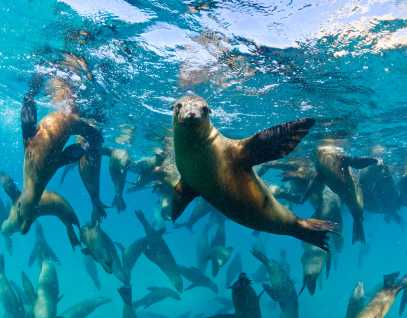
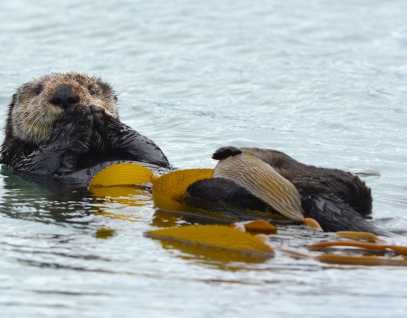
Browse by Species
What Is a Marine Mammal?
Overview
Marine mammals have the same characteristics as all other mammals, but they have adapted to living all or part of their life in the ocean. Many have streamlined bodies to help them swim faster. To keep warm in the ocean, most marine mammals depend on a thick layer of blubber (or fat); although some, like fur seals and sea otters, rely on their thick fur coats.
Many marine mammal species can stay underwater for a long time, but must come to the surface to breathe. To be able to stay underwater for long periods, they store extra oxygen in their muscles and blood. They also have more blood than land mammals in proportion to their body sizes, can direct their blood flow to only their vital organs (such as their heart and lungs), and can slow their heartbeat down so they are using less oxygen in a dive.
Quick Facts About Marine Mammals
- Warm-blooded
- Have hair or fur
- Breathe air through lungs
- Bear live young
- Nurse their young with milk produced by mammary glands
- Live all or part of their life in the ocean
Protecting Endangered Species
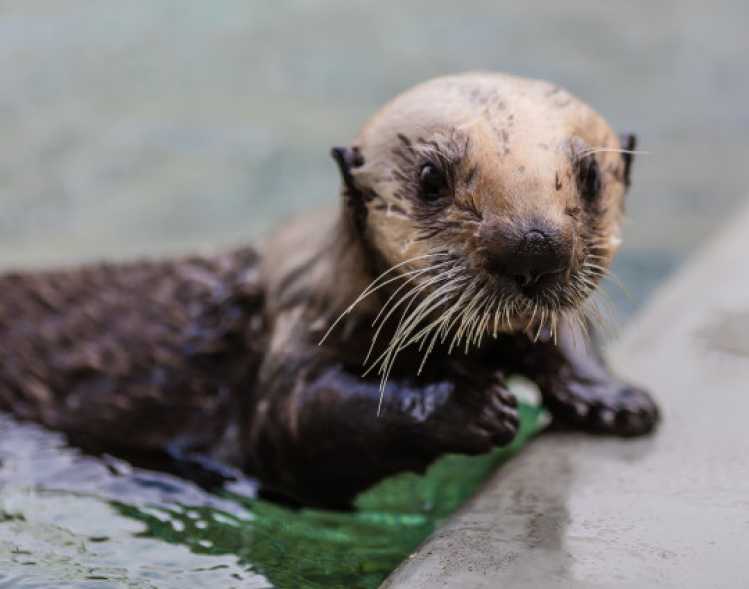
The Marine Mammal Center has worked extensively with species that are considered to be endangered or threatened, such as the southern sea otter, Hawaiian monk seal and Guadalupe fur seal. Threatened and endangered species are species that are at risk of extinction. These species are protected in the United States under the Endangered Species Act.
In addition, all marine mammals are protected in the United States by the Marine Mammal Protection Act, which makes it illegal to harass, feed, hunt, capture or kill any marine mammal. As a nonprofit funded by people like you, The Marine Mammal Center has special permits from the federal government that allow us to respond to stranded marine mammals.
These laws, as well as other international laws and treaties protecting marine mammals, play a critical role in the survival of marine mammals and the health of our ocean ecosystem.
Adopt a Patient
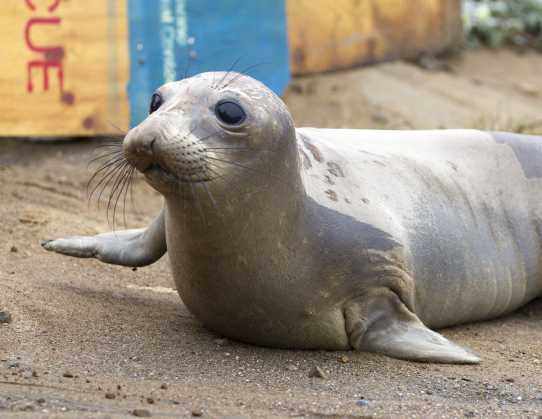
You can help support the care of marine mammal patients at The Marine Mammal Center with a symbolic adoption today. Choose from a wide variety of species cared for at our hospital, including elephant seal pup Bilbo.
Name a Whale
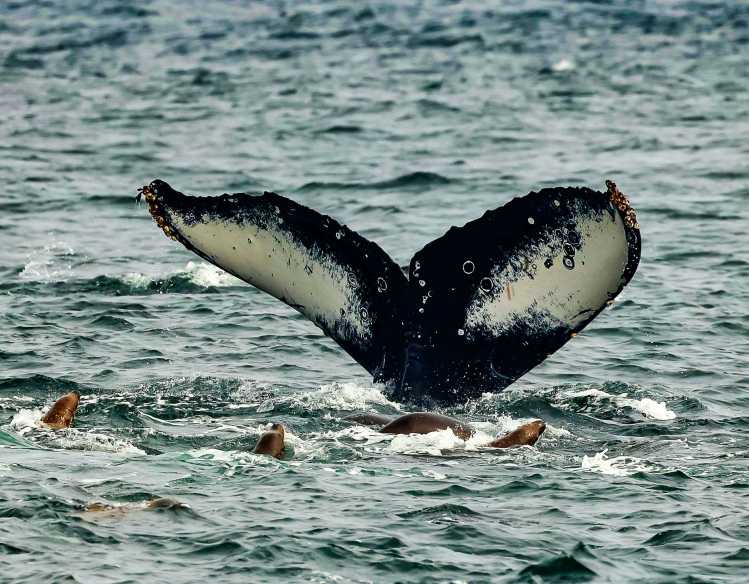
Searching for a unique and memorable gift? Go whaley big for your loved one when you give the gift of naming a whale in their honor. Perfect for any occasion, this gift is one to be cherished because it helps protect whales and their ocean home.