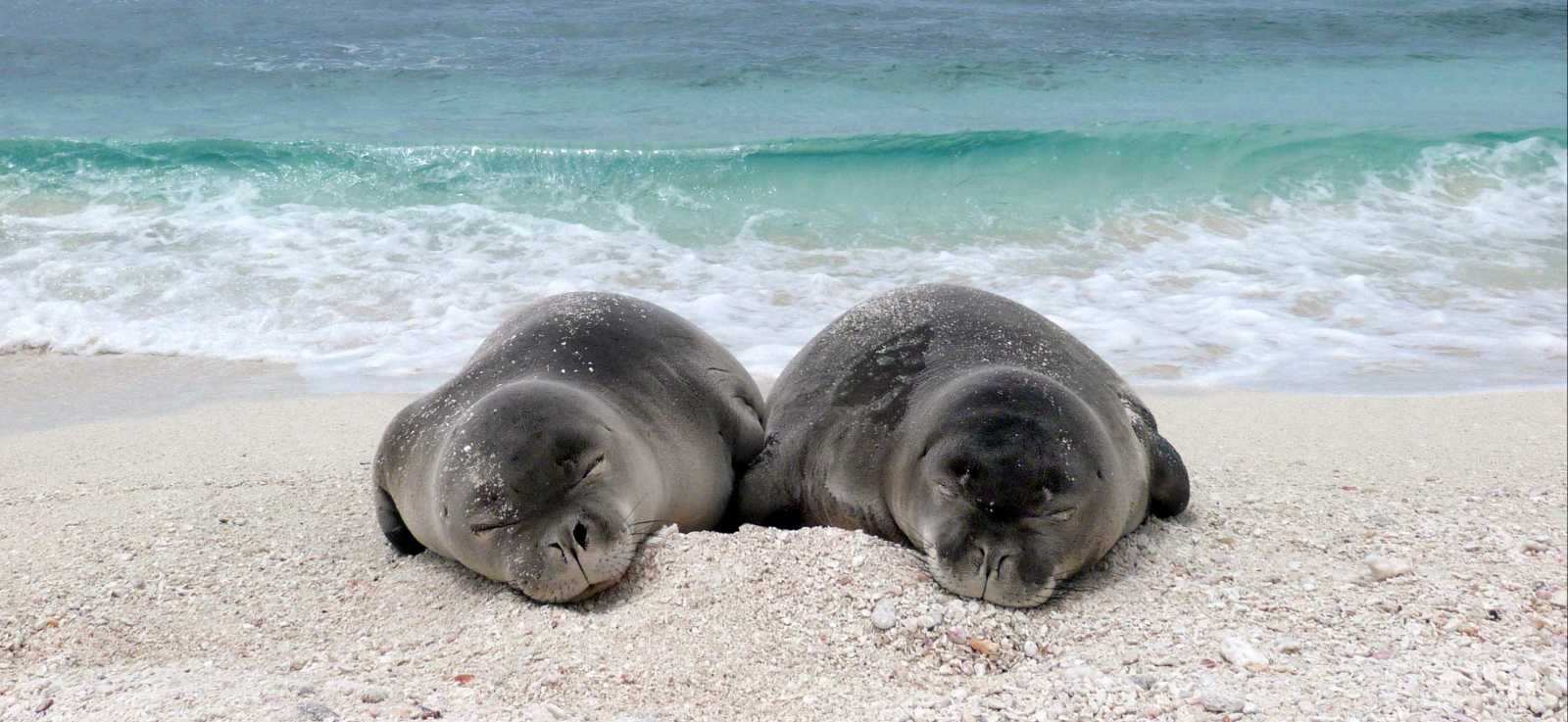
Hawaiian Monk Seal Conservation
With over 50 years of experience working with marine mammals, our efforts in Hawai‘i are critical to saving this endangered species.
Researchers estimate about 30 percent of Hawaiian monk seals are alive today directly due to conservation efforts. This life-saving work is possible thanks to support from compassionate people like you.
How You Can Help
You can take action in your daily life and community to help save this endangered species, no matter where you live.
Taking Action at The Marine Mammal Center
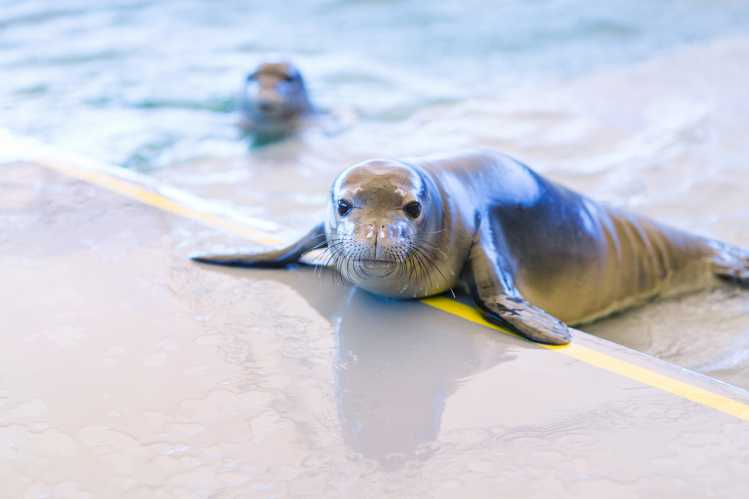
The endangered Hawaiian monk seal is one of the rarest seal species in the world, and conservation efforts are critical to their survival. Through direct animal care, community outreach, education and response, our dedicated staff and volunteers in Hawai‘i are working to save a species.
On Hawai‘i Island, we operate the only hospital dedicated to Hawaiian monk seals, Ke Kai Ola. Our team of experts relies on the Center’s many years of experience in marine mammal medicine and health to treat monk seals so they can be released back to the wild.
The Marine Mammal Center is the lead responder for Hawaiian monk seals on Hawai‘i Island, and we operate a hotline for reporting monk seal sightings. Every sighting reported provides valuable information to researchers, and our response teams are ready to respond if an animal needs emergency care.
Conservation starts with education and outreach. That's why our educators focus on inspiring students to become marine science enthusiasts. Our education programs in Hawai‘i connect students with science and stewardship, and provide professional development for classroom teachers.
Interested in having our staff participate in an upcoming community event you're hosting on Hawai‘i Island? Tell us more about your request.
We also work with organizations in Hawai‘i to support fishing communities in a transition to barbless hooks, a fishing method that drastically reduces the risk of damage if a Hawaiian monk seal becomes hooked.
Explore Our Hawai‘i Education Programs


Volunteer With Us
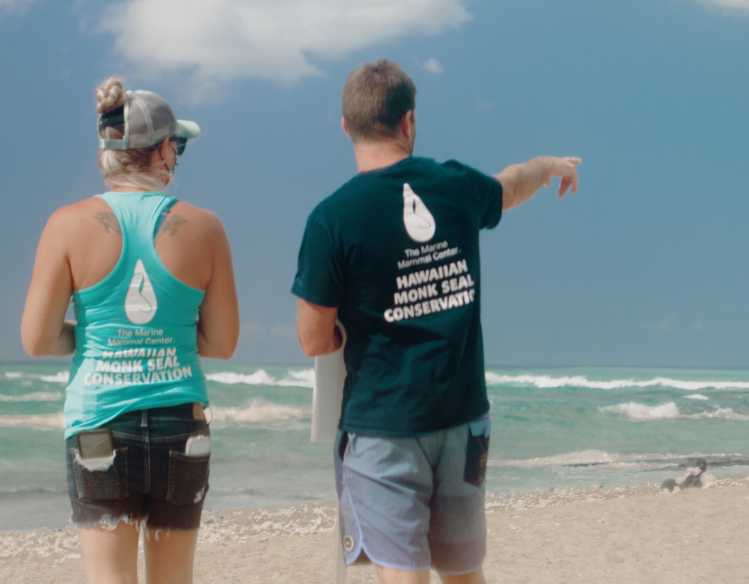
None of our work is possible without the support of people like you. Volunteer roles are available in animal care and education on Hawai‘i Island, and in response on both Hawai‘i Island and Maui.
Take Our Virtual Tour
Hawaiian monk seals are one of the rarest seal species in the world, and most people will never have a chance to see one in the wild.
On our virtual tour, you’ll have the chance to visit Ke Kai Ola, our dedicated hospital for Hawaiian monk seals, and travel throughout the Hawaiian Archipelago to see monk seals in their natural environment. You’ll also discover ways you can help conserve Hawaiian monk seals no matter where you live in the world.
Take the ‘Ohana Challenge by downloading our family-friendly activity guide and participating in three challenges at home to deepen your family’s commitment to ocean conservation.
Explore More Online Learning Resources
Created by the Center’s award-winning educators, these virtual activities and curriculum materials help guide youth of all ages to learn more about marine mammal health, science and conservation.
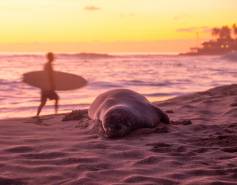
{"image":"\/Animals\/Wild\/Hawaiian monk seal\/cropped-images\/hawaiian-monk-seal-with-surfer-shutterstock-992-0-3516-2746-1624319543.jpg","alt":"Hawaiian monk seal on the beach with surfer in the background","title":"Stewardship Saturday: Tourism & Wildlife","link_url":"https:\/\/www.marinemammalcenter.org\/publications\/stewardship-saturday-tourism-wildlife","label":"Online Learning Resource","type":"publication"}
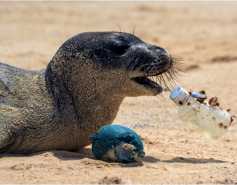
{"image":"\/Animals\/Patients\/Hawaiian monk seals\/2015\/hms-pearl-by-julie-steelman-c-the-marine-mammal-center-noaa-permit-18786.jpg","alt":"Hawaiian monk seal Pearl","title":"Understanding Endangered","link_url":"https:\/\/www.marinemammalcenter.org\/publications\/understanding-endangered","label":"Online Learning Resource","type":"publication"}
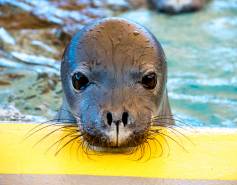
{"image":"\/Animals\/Patients\/Hawaiian monk seals\/2016\/hms-nihoole-5-photo-c-noaa-permit-16632.jpg","alt":"Hawaiian monk seal Niho'ole","title":"Aloha \u02bb\u0100ina","link_url":"https:\/\/www.marinemammalcenter.org\/publications\/aloha-aina","label":"Online Learning Resource","type":"publication"}
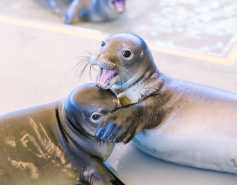
{"image":"\/Animals\/Patients\/Hawaiian monk seals\/2019\/hms-pups-play-by-elena-graham-c-the-marine-mammal-center-noaa-permit-18786.jpg","alt":"Hawaiian Monk seals","title":"M\u0101lama i n\u0101 \u02bb\u012alioholoikauaua","link_url":"https:\/\/www.marinemammalcenter.org\/publications\/malama-i-na-ilioholoikauaua","label":"Online Learning Resource","type":"publication"}
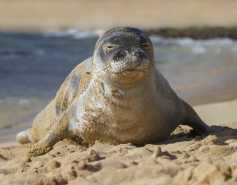
{"image":"\/Animals\/Wild\/Hawaiian monk seal\/sandy-hawaiian-monk-seal-shutterstock.jpg","alt":"Sandy Hawaiian Monk seal","title":"Marine Mammal Monday: Saving Species","link_url":"https:\/\/www.marinemammalcenter.org\/publications\/marine-mammal-monday-saving-species","label":"Online Learning Resource","type":"publication"}
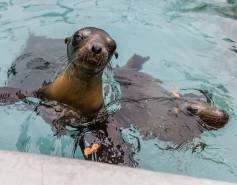
{"image":"\/Animals\/Patients\/California sea lions\/cropped-images\/csl-by-bill-hunnewell-c-the-marine-mammal-center-6-300-0-2550-1992-1604446911.jpg","alt":"Two California sea lion pups in the water","title":"Stewardship Saturday: Ocean Optimism","link_url":"https:\/\/www.marinemammalcenter.org\/publications\/stewardship-saturday-ocean-optimism","label":"Online Learning Resource","type":"publication"}
Learn About Our Other Conservation Programs


Mahalo Nui Loa to Our Supporters and Partners
Mahalo nui loa to our many foundation, business and individual supporters in Hawai`i and off island. And special thanks to NOAA, the NOAA Pacific Islands Fisheries Science Center, Regional Office and the Hawaiian Monk Seal Research Team for their critical support and partnership.
A Kuleana Green Business
The Marine Mammal Center is a member of the Kuleana Green Businesses, a program that promotes ethical business practices and environmental stewardship throughout Hawai`i. Program members understand their kuleana (right and responsibility) to generate positive impacts in their social and natural environments.