Tackling Ocean Trash
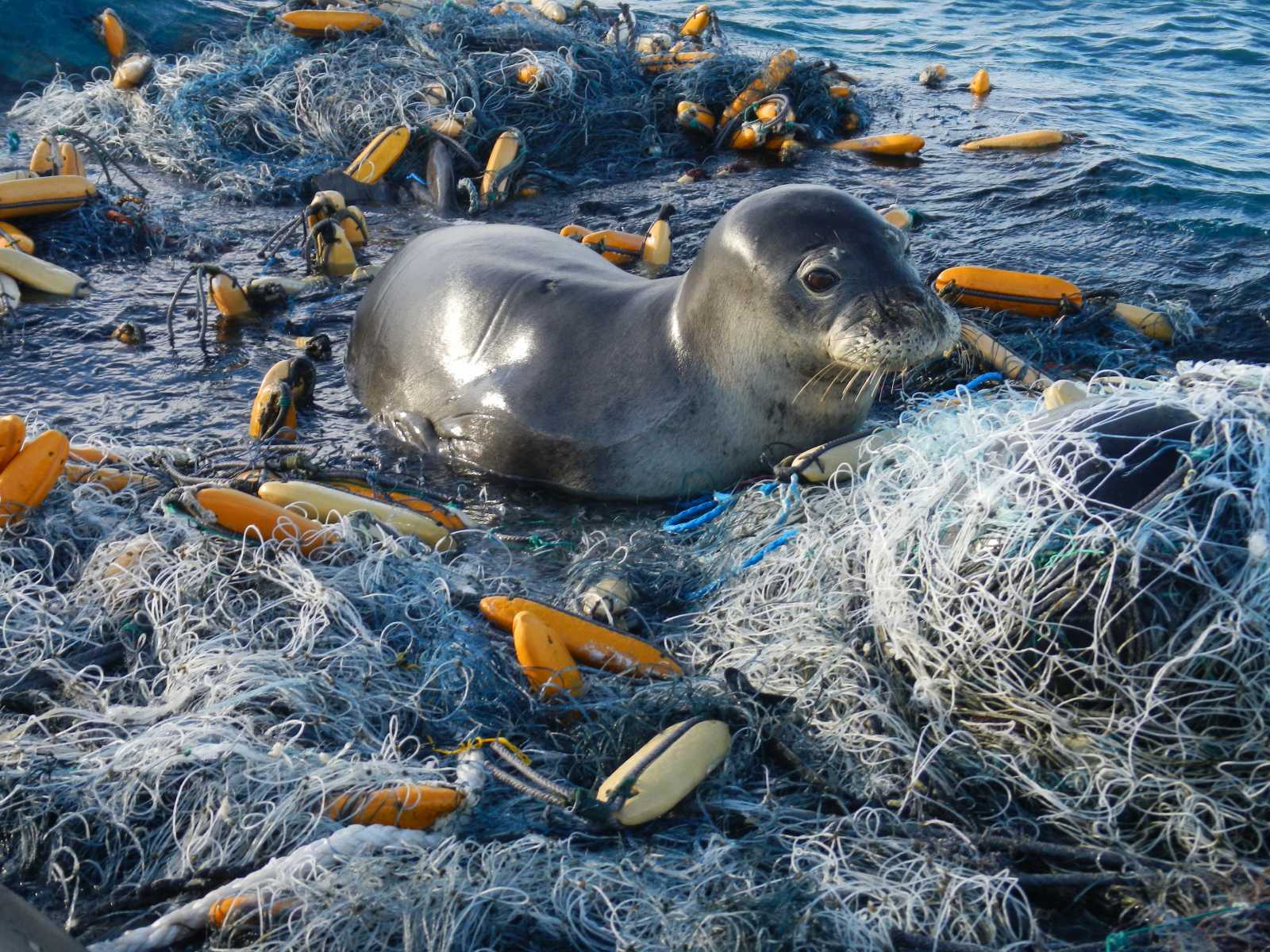
Increased amounts of trash, particularly plastics and lost or discarded fishing gear, are finding their way into the ocean, creating a threat of entanglement or ingestion for countless marine animals.
Protection means actively eliminating or reducing risks, and we all have a part to play in shielding and safeguarding the ocean habitat from harm.
What is Ocean Trash?
Ocean trash is a general term for all the human-created debris that makes its way into the ocean from a variety of methods. About 90 percent of the trash found in the ocean is plastic, and the large amounts of trash are having an impact on marine life and marine ecosystems.


How You Can Help
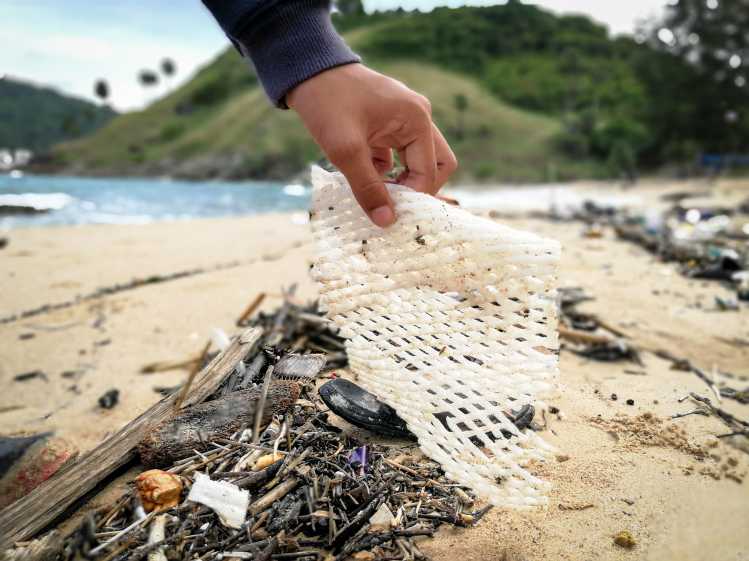
You can take action in your daily life and community to reduce your plastic footprint. Every time we reduce plastic, we are protecting ourselves and the environment upon which we all depend. Download these tips to reference later.
Taking Action at The Marine Mammal Center
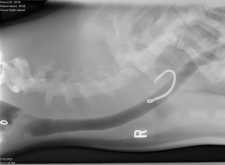
Active Disentanglement
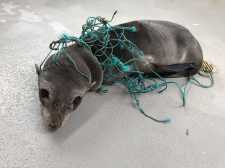
Each year, The Marine Mammal Center’s specially trained teams rescue marine mammals exhibiting signs of unfortunate run-ins with our trash. Typically, California sea lions are rescued with plastic netting, packing straps and other pieces of trash caught around their neck and face. Other animals have been rescued with plastic trash in their stomachs, such as plastic bags and balloons. These patients receive the highest quality of care at the Center’s state-of-the-art veterinary facilities.
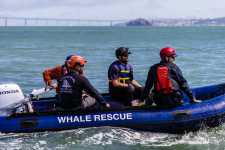
The Center’s Whale Entanglement Response and Prevention program focuses on responding to large whales in distress, often due to entanglements in fishing gear. The Center and Cascadia Research Collective conduct vessel surveys to inform risk assessments for whale entanglement off California, resulting in decreased risk of entanglement in the Dungeness crab fishery and additional protections against ship strikes.
Informing Policy
The Marine Mammal Center is part of the California Dungeness Crab Fishing Gear Whale Entanglement Working Group, formed to address the increase in large whale entanglements in Dungeness crab fishing gear. The Marine Mammal Center and our partners conduct vessel surveys to inform immediate management actions in the commercial Dungeness crab fishery to reduce the risk of large whale entanglement.
The Marine Mammal Center is a founding member of the Trash Free Seas Alliance®, which was active from 2012-2022, and a member of the Zero Waste Marin Local Task Force. The Center also serves on the Greater Farallones National Marine Sanctuary Advisory Council and the San Francisco Harbor Safety Committee, and is a member of the Monterey and San Luis Obispo marine protected area collaboratives.
Reducing and Recycling Single-Use Plastics
The Marine Mammal Center strives to serve as a role model for the community and increase its sustainability by using reusable materials and reducing plastic use throughout our operations.
A water bottle refilling station for guests at the Sausalito hospital and visitor center helps eliminate the need for single-use water bottles. At our gift store, we aim to carry products that are as environmentally sustainable as possible, and we consider environmental impacts along the products’ entire life cycles, from the raw materials they were made from, to how far they need to be transported to reach us, to how they are disposed when they are no longer usable. We also try to make our packaging as sustainable as possible.
Within our animal care programs, the Center partners with RightCycle™ by Kimberly-Clark Professional® to recycle single-use personal protection equipment, like medical gloves, and convert what would normally be landfill trash into new consumer goods.
Learn More About Ocean Trash
{"image":"\/Places\/Coastal landscapes\/cropped-images\/beach-cleanup-shutterstock-1994-448-3766-2941-1614984711.jpg","alt":"young man and older woman doing a beach cleanup","title":"Stewardship Saturday: Heroes de Tierra Bomba","link_url":"https:\/\/www.marinemammalcenter.org\/publications\/stewardship-saturday-heroes-de-tierra-bomba","label":"Online Learning Resource","type":"publication"}
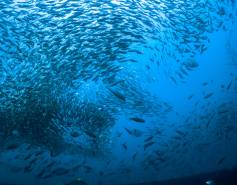
{"image":"\/Places\/Coastal landscapes\/cropped-images\/school-of-fish-shutterstock-1448-2-3735-2918-1622590019.jpg","alt":"","title":"Fishy Food Webs","link_url":"https:\/\/www.marinemammalcenter.org\/publications\/fishy-food-webs","label":"Online Learning Resource","type":"publication"}
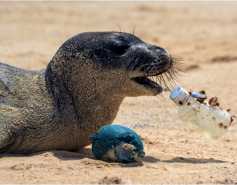
{"image":"\/Animals\/Patients\/Hawaiian monk seals\/2016\/hms-nihoole-5-photo-c-noaa-permit-16632.jpg","alt":"Hawaiian monk seal Niho'ole","title":"Aloha \u02bb\u0100ina","link_url":"https:\/\/www.marinemammalcenter.org\/publications\/aloha-aina","label":"Online Learning Resource","type":"publication"}
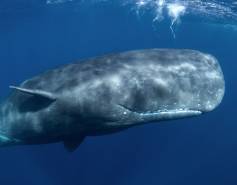
{"image":"\/Animals\/Wild\/Sperm whale\/cropped-images\/sperm-whale-shutterstock-370-0-4793-3743-1622588655.jpg","alt":"sperm whale","title":"Extreme Adaptations of the Deep","link_url":"https:\/\/www.marinemammalcenter.org\/publications\/extreme-adaptations-of-the-deep","label":"Online Learning Resource","type":"publication"}
Our Partners in Preventing Pollution and Entanglement
The Marine Mammal Center works with many local and global partners in raising awareness about ocean trash, as well as promoting solutions for a healthy ocean.
Trash Free Seas Alliance®
The Marine Mammal Center is a founding member of the Trash Free Seas Alliance®, which was active from 2012-2022. Trash Free Seas Alliance® is a coalition of nonprofits and industry leaders focused on innovative and pragmatic solutions to rid the ocean of plastic pollution and other forms of marine debris. Through the Trash Free Seas Alliance®, millions of dollars for research have been spent on ways to improve waste collection and recycling in parts of the world most impacted by ocean plastic pollution.
California Dungeness Crab Fishing Gear Whale Entanglement Working Group
This working group was convened between the California Department of Fish and Wildlife, National Marine Fisheries Service and the Ocean Protection Council to address an increase in large whale entanglements in Dungeness crab fishing gear. The Center serves as a member of the working group and leads the management of a solar logger project to collect data on vessel tracking that informs a Risk Assessment and Mitigation Program.
Zero Waste Marin
The Marine Mammal Center serves on the Local Task Force of Zero Waste Marin, a county-led effort to eliminate waste. Working with government and trash collection agencies, Zero Waste Marin strives to set an example that highlights and encourages sustainably living across the country.
RightCycle™ by Kimberly-Clark Professional®
Instead of personal protective equipment such as nitrile medical gloves going into the trash (and landfills) after use, these previously hard-to-recycle items are collected, sent to a specialty recycling facility and turned into new consumer goods. As a result of the program, The Marine Mammal Center has diverted thousands of pounds of used gloves from the landfill.


