SF GATE: Sick, disoriented sea lions are washing up on California beaches
- Domoic acid
Published by SF GATE: August 31, 2026
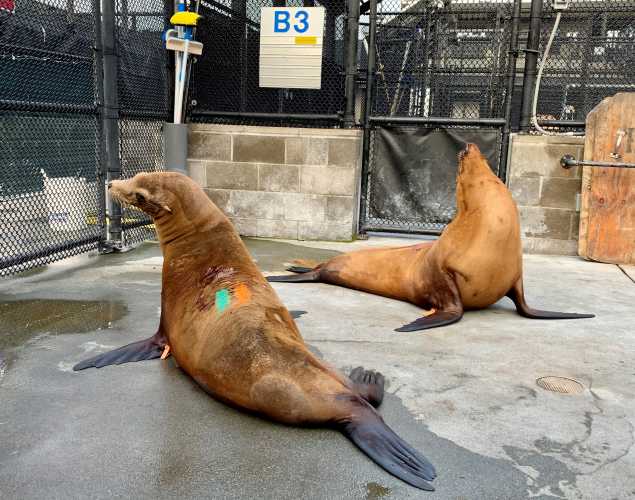
A toxic algal bloom is causing a surge of poisonings along the California coast, severely sickening sea lions and other marine mammals and leaving some dead on the shore.
Dozens of sea lions have been sickened by domoic acid poisoning, a toxin produced by algae that can cause seizures and heart failure, according to a news release from The Marine Mammal Center, a nonprofit wildlife rescue organization.
It hurts the heart to see such vibrant animals not be in control of themselves
The “flare-up” in cases began increasing in early summer, but they became especially severe over the past week in Monterey and Santa Cruz counties, Giancarlo Rulli, a spokesperson for the Marine Mammal Center, told SFGATE. The organization typically sees 70 to 90 domoic acid poisoning cases a year, but more than 100 have already been reported along the state’s coastline in 2026, Rulli said.
“The fact that we are about to turn the page on August into September and just the unknowns right now of how these flare-ups have kind of popped up, surged, dissipated, and then popped back up again is a real concern,” Rulli said.
Sea lions ingest the neurotoxin by eating contaminated sardines, anchovies and other small fish. Repeated exposure can cause more severe, lasting effects, including permanent brain damage, according to the center.
“Sea lions don’t drink water like we do for hydration,” Rulli said. “They get all the hydration from the food that they eat. They’re basically receiving large doses of this neurotoxin with no way to flush the toxin out of their system.”
Infected sea lions often exhibit abnormal neurological behavior, such as lethargy, disorientation and twitching. They can also develop tremors and seizures.
“It hurts the heart to see such vibrant animals not be in control of themselves,” Rulli said.
What’s most concerning about the poisonings, Rulli said, is that the illness has evolved and become more unpredictable since it was first discovered in 1998. Domoic acid poisoning would usually only show up in the summertime, but now it is showing up “year-round,” he said.
Compared with past outbreaks, experts say this season might be especially worse because of the warmer ocean temperatures tied to this year’s El Niño.
Yes, I want to save a life!
You’ll be giving patients suffering from domoic acid poisoning the best possible care at our state-of-the-art hospital.
See Our Latest News
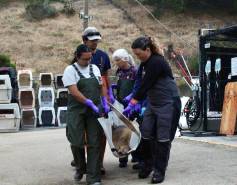
{"image":"\/People\/Action\/Volunteers\/h-california-sea-lion-transportdomoic-acidslo-countydomoic-acid80524photo-by-giancarlo-rulli-c-the-marine-mammal-center.jpg","alt":"Volunteers transporting a California sea lion","title":"An Update on Domoic Acid Poisoning on the California Coast","link_url":"https:\/\/www.marinemammalcenter.org\/news\/an-update-on-domoic-acid-poisoning-on-the-california-coast","label":"News Update","date":"2026-08-28 02:00:00"}
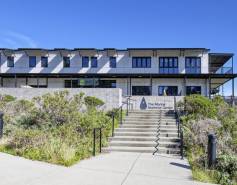
{"image":"\/Places\/Sausalito\/cropped-images\/sausalito-front-view-by-dan-friedman-c-the-marine-mammal-center-894-0-2040-1466-1601846127.jpg","alt":"front view of The Marine Mammal Center","title":"Explore The Marine Mammal Center\u2019s Exhibits","link_url":"https:\/\/www.marinemammalcenter.org\/news\/explore-the-marine-mammal-centers-exhibits","label":"In the News","date":"2026-08-26 02:00:00"}
{"image":"\/Misc\/Graphics\/michelle-oates-detkin-graphic-1.png","alt":"Michelle Oates Detkin","title":"The Marine Mammal Center Welcomes New Board Member Michelle Oates Detkin","link_url":"https:\/\/www.marinemammalcenter.org\/news\/the-marine-mammal-center-welcomes-new-board-member-michelle-oates-detkin","label":"News Update","date":"2026-07-15 10:53:00"}
The Marine Mammal Center Welcomes New Board Member Michelle Oates Detkin
July 15, 2026
Read More{"image":"\/Animals\/Patients\/Hawaiian monk seals\/2022\/hmsahonuireleasephoto-1-by-megan-ely-c-noaanoaa-permit-18786.png","alt":"Hawaiian monk seal release","title":"Take Action: Proposed Federal Regulation Would Weaken Scientific Funding and Integrity","link_url":"https:\/\/www.marinemammalcenter.org\/news\/take-action-proposed-federal-regulation-would-weaken-scientific-funding-and-integrity","label":"News Update","date":"2026-06-30 09:24:00"}
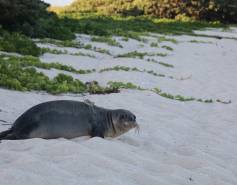
Take Action: Proposed Federal Regulation Would Weaken Scientific Funding and Integrity
June 30, 2026
Read More