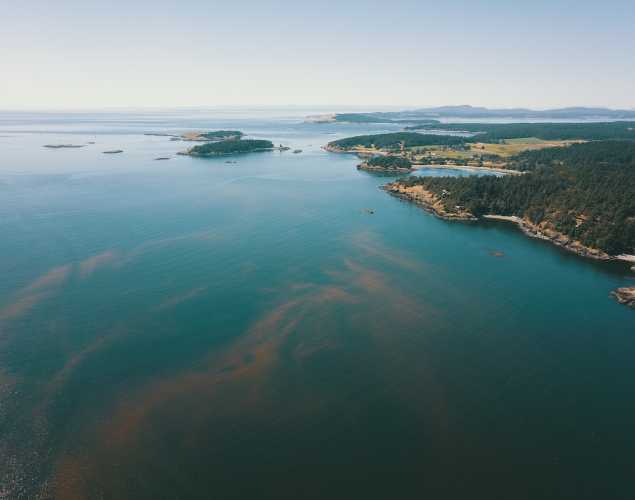
Unprecedented Toxic Algal Bloom Linked to Unusual Ocean Conditions
- Domoic acid
Abstract
A coastwide bloom of the toxigenic diatom Pseudo‐nitzschia in spring 2015 resulted in the largest recorded outbreak of the neurotoxin, domoic acid, along the North American west coast. Elevated toxins were measured in numerous stranded marine mammals and resulted in geographically extensive and prolonged closures of razor clam, rock crab, and Dungeness crab fisheries. We demonstrate that this outbreak was initiated by anomalously warm ocean conditions. Pseudo‐nitzschia australis thrived north of its typical range in the warm, nutrient‐poor water that spanned the northeast Pacific in early 2015. The seasonal transition to upwelling provided the nutrients necessary for a large‐scale bloom; a series of spring storms delivered the bloom to the coast. Laboratory and field experiments confirming maximum growth rates with elevated temperatures and enhanced toxin production with nutrient enrichment, together with a retrospective analysis of toxic events, demonstrate the potential for similarly devastating ecological and economic disruptions in the future.
McCabe, R.M., Hickey, B.M., Kudela, R. M., Lefebvre, K. A., Adams, N.G., Bill, B.D., Gulland, F.M.D., Thomson, R.E., Cochlan, W.P., Trainer, V.L. 2016. An unprecedented coastwide toxic algal bloom linked to anomalous ocean conditions. Geophysical Research Letters. 43. doi: 10.1002/2016GL070023
Related Publications
{"image":"\/Animals\/Patients\/California sea lions\/2020\/csl-oso-by-bill-hunnewell-c-the-marine-mammal-center-1.jpg","alt":"California sea lion","title":"Loss of Neuron Connectors in the Brains of Sea Lions with Epilepsy","link_url":"https:\/\/www.marinemammalcenter.org\/publications\/loss-of-neuron-connectors-in-the-brains-of-sea-lions-with-epilepsy","label":"Research Paper"}
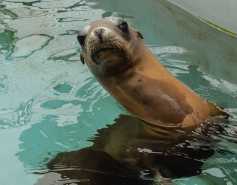
{"image":"\/Animals\/Wild\/California sea lion\/cropped-images\/sea-lion-pup-shutterstock-451-142-3018-2358-1603915228.jpg","alt":"California sea lion pup","title":"Domoic Acid in Fetal Fluids of California Sea Lions","link_url":"https:\/\/www.marinemammalcenter.org\/publications\/domoic-acid-in-fetal-fluids-of-california-sea-lions","label":"Research Paper"}
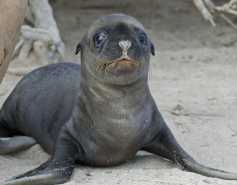
{"image":"\/Animals\/Patients\/California sea lions\/cropped-images\/csl-by-bill-hunnewell-c-the-marine-mammal-center-2-0-1031-1794-1401-1603916128.jpg","alt":"California sea lion","title":"Evaluating Sense of Smell in California Sea Lions and Relevance to Domoic Acid","link_url":"https:\/\/www.marinemammalcenter.org\/publications\/evaluating-sense-of-smell-in-california-sea-lions-and-relevance-to-domoic-acid","label":"Research Paper"}
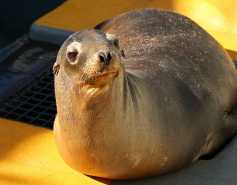
Evaluating Sense of Smell in California Sea Lions and Relevance to Domoic Acid
Read More{"image":"\/Animals\/Wild\/Steller sea lion\/cropped-images\/steller-sea-lion-harem-shutterstock-648-0-4424-3456-1603916879.jpg","alt":"Group of Steller sea lions","title":"Algal Toxins in Alaskan Marine Mammals Foraging in a Changing Environment","link_url":"https:\/\/www.marinemammalcenter.org\/publications\/algal-toxins-in-alaskan-marine-mammals-foraging-in-a-changing-environment","label":"Research Paper"}
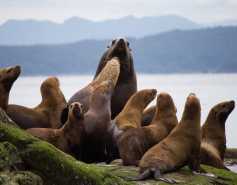
Related News
{"image":"\/Animals\/Patients\/California sea lions\/2024\/d-california-sea-lionsin-treatment-for-domoic-acidsausalito72624photo-by-giancarlo-rulli-c-the-marine-mammal-center.jpg","alt":"California sea lions","title":"SF GATE: Sick, disoriented sea lions are washing up on California beaches","link_url":"https:\/\/www.marinemammalcenter.org\/news\/sf-gate-sick-disoriented-sea-lions-are-washing-up-on-california-beaches","label":"In the News","date":"2026-09-01 10:39:22"}
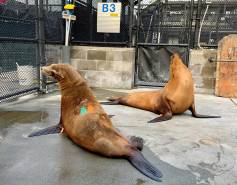
SF GATE: Sick, disoriented sea lions are washing up on California beaches
September 1, 2026
Read More{"image":"\/People\/Action\/Volunteers\/h-california-sea-lion-transportdomoic-acidslo-countydomoic-acid80524photo-by-giancarlo-rulli-c-the-marine-mammal-center.jpg","alt":"Volunteers transporting a California sea lion","title":"An Update on Domoic Acid Poisoning on the California Coast","link_url":"https:\/\/www.marinemammalcenter.org\/news\/an-update-on-domoic-acid-poisoning-on-the-california-coast","label":"News Update","date":"2026-08-28 02:00:00"}
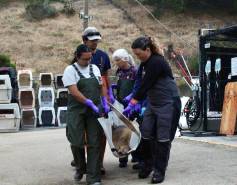
{"image":"\/Animals\/Wild\/California sea lion\/cropped-images\/csl-release-4-5-24photo-by-chris-deimler-c-the-marine-mammal-center-138-0-1270-992-1745348188.jpg","alt":"Four young California sea lions walk on the beach toward the ocean.","title":"Achievements in Ocean Health","link_url":"https:\/\/www.marinemammalcenter.org\/news\/achievements-in-ocean-health","label":"News Update","date":"2025-04-23 10:20:00"}
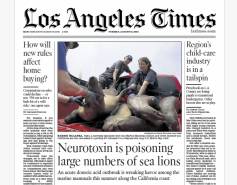
{"image":"\/Animals\/Patients\/California sea lions\/cropped-images\/LA Times Front Page 8.13.24-340-15-1270-992-1723588213.png","alt":"LA Times Front Page Domoic Acid Sea Lions","title":"LA Times: Neurotoxin is Poisoning Large Numbers of Sea Lions","link_url":"https:\/\/www.marinemammalcenter.org\/news\/la-times-neurotoxin-is-poisoning-large-numbers-of-sea-lions","label":"In the News","date":"2024-08-13 02:00:00"}